


Mi az a WPC ajtókeret és miből készül
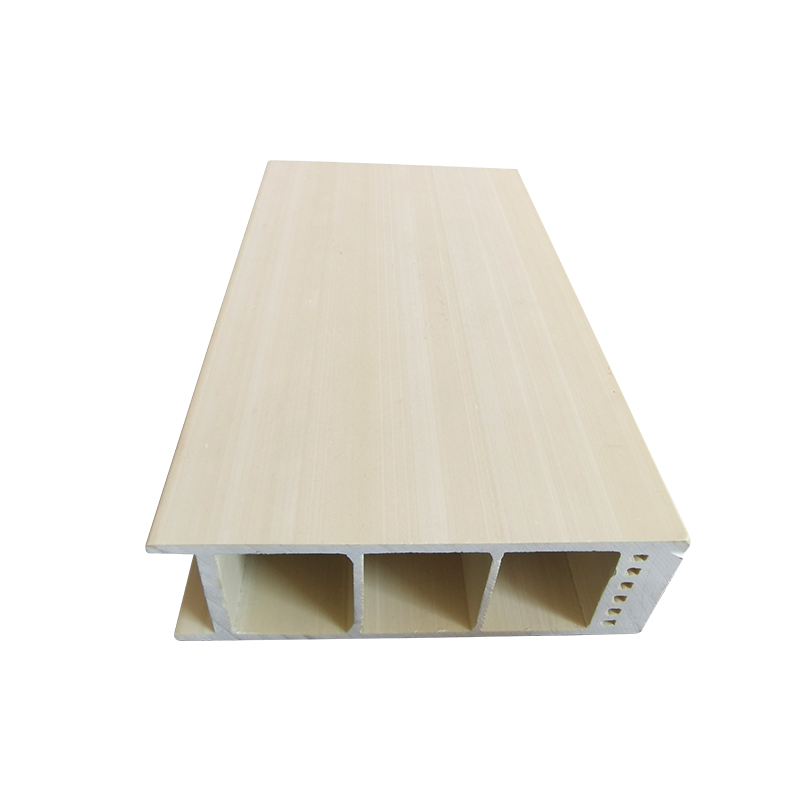
A WPC ajtókeret fa-műanyag kompozitból készült ajtókeret, olyan anyag, amelyet farost vagy faliszt hőre lágyuló polimerekkel, például PVC-vel vagy PE-vel, valamint szilárdságot és tartósságot javító adalékanyagokkal kevernek össze. Az eredmény egy olyan keret, amely a természetes fához hasonlít, de ellenáll a tömör fával járó számos problémának, beleértve a nedvességkárosodást, a vetemedést és a rovarfertőzést.
Mivel az anyagot nem betakarítanák, hanem gyártják, a WPC ajtókeret nagyon egységes méretekkel, sűrűséggel és felületi minőséggel állítható elő, ami kiszámíthatóbbá teszi a beépítést a természetes fa keretekhez képest, amelyek a szemcse- és nedvességtartalom miatt darabonként változhatnak.
Miért tartanak jobban a WPC ajtókeretek, mint a hagyományos fa?
A tömör fából készült ajtókereteket természetes megjelenésük miatt értékelik, de a karbantartási fejfájások hosszú sorával járnak, különösen párás vagy nagy forgalmú környezetben. A WPC ajtókeret Kompozit felépítésén keresztül ezen gyengeségek közül sokat közvetlenül kezel.
Nedvesség és vízállóság
Mivel a WPC anyagban lévő műanyag alkatrész nem szívja fel a vizet úgy, mint a farostok, a WPC ajtókeret ellenáll a duzzadtságnak, repedésnek és rothadásnak még fürdőszobákban, konyhákban vagy tengerparti éghajlaton is, ahol állandóan magas a páratartalom. Emiatt népszerű választás olyan helyeken, ahol a hagyományos fakeretek gyakori utánfényezést vagy esetleges cserét igényelnek.
Ellenállás termeszekkel és rovarokkal szemben
Mivel a WPC-ben lévő faanyagot feldolgozzák és műanyag polimerekkel kombinálják, már nem biztosítja azt a tápértéket, amely vonzza a termeszeket és a fafúró rovarokat. Ez kiküszöböli a tömörfa ajtókeretekkel kapcsolatos egyik leggyakoribb és legköltségesebb problémát melegebb éghajlaton.
Méretstabilitás idővel
A tömörfa keretek a szezonális páratartalom-változások hatására kitágulnak és összehúzódnak, ami idővel az ajtók megtapadását, rések megjelenését vagy a vasalat eltolódását okozhatja. A WPC ajtókeret sokkal konzisztensebben tartja meg alakját a hőmérséklet és a páratartalom ingadozásai között, így csökken a beszerelés utáni beállítási igény.
A WPC ajtókeretek összehasonlítása más általános keretanyagokkal
A lakástulajdonosok és építők gyakran mérlegelik a WPC-t a tömörfával, PVC-vel és alumíniummal szemben, amikor az ajtókeret anyagát választják. Mindegyik opciónak megvannak a maga kompromisszumai a költségvetéstől, az éghajlattól és az esztétikai preferenciáktól függően.
| Anyag | Nedvességállóság | Karbantartási igények | Természetes fa megjelenése |
| WPC | Kiváló | Alacsony | Jó |
| Tömör fa | Szegény | Magas | Kiváló |
| PVC | Kiváló | Alacsony | Korlátozott |
| Alumínium | Kiváló | Alacsony | Szegény |
Amint az összehasonlítás is mutatja, a WPC ajtókeret hasznos középpontban van, és a műanyag alapú anyagok nedvességállóságát kínálja, miközben megőrzi a melegebb, természetesebb megjelenést, amely nagyon hasonlít a valódi fa erezetére.
Ahol a WPC ajtókereteket általában használják
A tartósság és a megjelenés kombinációja a WPC ajtókereteket alkalmassá teszi a lakossági és kereskedelmi környezetek széles skálájára, különösen ott, ahol a nedvességnek való kitettség vagy a karbantartási költségkeret aggodalomra ad okot.
- Fürdőszoba és konyhaajtók beépítése, ahol a nedvesség és a víz fröccsenése állandó gondot okoz
- Szállodák és apartmanok felújítása, ahol a sok egység állandó minősége leegyszerűsíti a nagyméretű telepítést
- Tengerparti házak és épületek, ahol a sós levegő és a páratartalom felgyorsítja a kezeletlen fa károsodását
- Nagy gyalogos forgalommal rendelkező kereskedelmi épületek, ahol a méretstabilitás csökkenti a kopással kapcsolatos karbantartási igényeket
Mit kell ellenőrizni WPC ajtókeret vásárlása előtt
A minőség gyártónként változhat, és a vásárlás előtt néhány gyakorlati ellenőrzés segít megbizonyosodni arról, hogy a keret az elvárásoknak megfelelően működik a telepítés után.
- Ellenőrizze a fa-műanyag arányt, mivel a magasabb műanyagtartalom általában javítja a nedvességállóságot, de csökkentheti a fa természetes megjelenését
- Erősítse meg a keret sűrűségét, mivel a sűrűbb kompozitok hajlamosak az idő múlásával biztonságosabban tartani a csavarokat és a csuklópántokat
- Érdeklődjön az UV-álló bevonatokról, ha a keretet ablak közelébe vagy közvetlen napfénynek kitéve szereli fel, mivel bizonyos kompozitok megfelelő védelem nélkül idővel kifakulhatnak
- Ellenőrizze, hogy a keret méretei pontosan illeszkednek-e az ajtónyíláshoz, mivel a kompozit keretek általában kevésbé elnézőek a helyszíni vágáshoz, mint a tömörfa
A jó hírű beszállítóknak képesnek kell lenniük az anyagösszetétel lebontására és a vonatkozó vizsgálati tanúsítványok benyújtására, különösen az olyan projekteknél, amelyek tűzállósági besorolást vagy meghatározott építési előírásoknak való megfelelést igényelnek.
Telepítési és hosszú távú gondozási tippek
A megfelelő telepítés nagy szerepet játszik abban, hogy a WPC ajtókeret milyen jól teljesít az évek során, és néhány alapvető gondozási szokás segít megőrizni megjelenését még az első telepítés befejezése után is.
- Használjon kompozit anyagokra alkalmas tömítőanyagot a keret szélei körül, hogy megakadályozza a víz beszivárgását a keret mögül a falszerkezetbe
- Kerülje a csavarok túlhúzását a szerelés során, mert a túlzott nyomás kisebb repedéseket okozhat a rögzítési pontokon
- Időnként tisztítsa meg a felületet nedves ruhával és enyhe szappannal, ne erős oldószerekkel, amelyek idővel elhomályosíthatják a felületet.
- Évente ellenőrizze a zsanérokat és a vasalat rögzítési pontjait, és húzza meg a szokásos ajtóhasználattól meglazult rögzítőket


